ITER will deliver foundations for fusion
ITER will demonstrate the scientific and technological feasibility of fusion energy:
Fusion gain up to a Q of 10
Fusion power up to 500 megawatts
Long-pulse duration of 400-3,000 seconds
Deuterium-tritium (DT) fuel cycle with testing
Industrial-scale fusion systems integration and operations
ITER is becoming a platform for fusion R&D
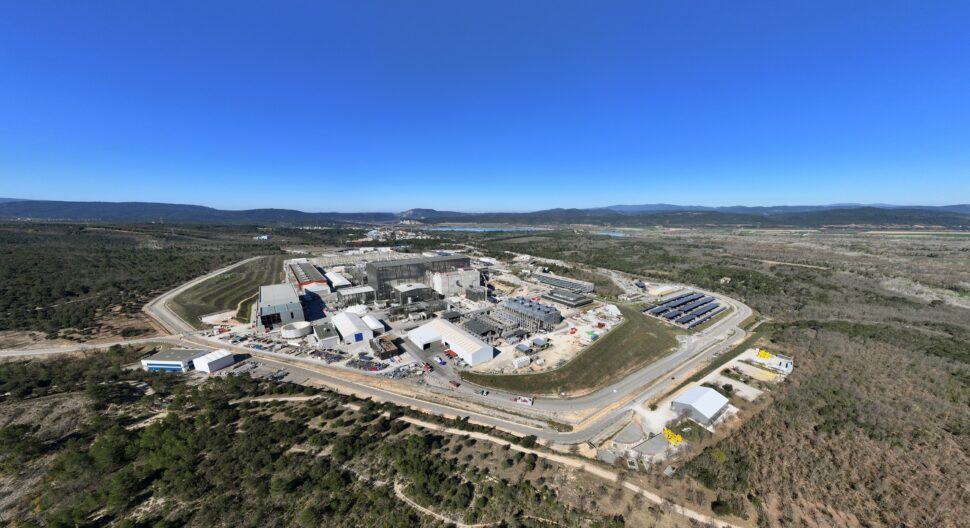
ITER will deliver scientific foundations for practical fusion by producing and controlling a self-sustained fusion power source of up to 500 megawatts (MW) for hundreds of seconds. This has not yet been achieved by any fusion system. In addition, ITER will be a valuable R&D facility, much like test reactors are for nuclear energy–providing flexible operations, extensive measurement tools, and testing capabilities for fusion. Machine assembly is underway and early sub-system commissioning has begun.
For more information
To learn more, see the US ITER Project Update fact sheet and the ITER and the Fusion Ecosystem fact sheet, and visit the ITER website.